
Clerk as Probate Judge
In North Carolina, the elected Clerk of Superior Court in each county acts as the probate judge. In Yadkin County, that means estate administration is handled at the Yadkin County Clerk of Superior Court rather than in a separate probate court building. Elected clerks and assistant clerks hold most estate hearings and preside over most estate cases. If the validity of a will is challenged through a caveat, that caveat is heard by a Superior Court judge.
Yadkin County Clerk of Superior Court
Yadkin County Courthouse
101 S State St
Yadkinville, NC 27055
(336) 679-3600
Monday-Friday, 8:00 AM-5:00 PM
Mailing: PO Box 95, Yadkinville, NC 27055
The North Carolina Judicial Branch estates page explains the clerk's probate role, wills, letters, estate administration, and public access to filed wills.
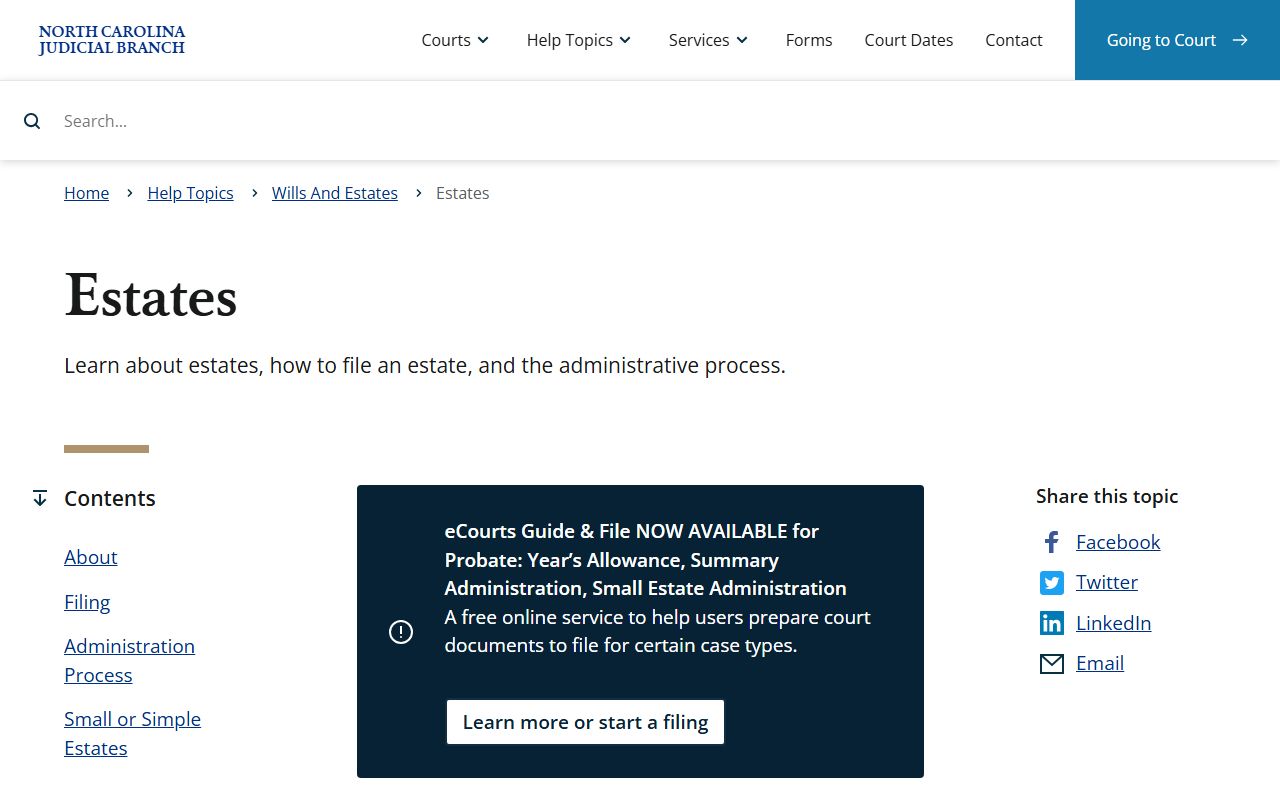
The state estates guidance is the controlling source for the Yadkin probate structure because the local clerk performs the probate function within the statewide court system.
Local courthouse access is documented through the NC Judicial Branch Yadkin County landing page, the Yadkin County Courthouse page, and the Yadkin court contact directory. The Yadkin County Sheriff's Office page lists Bryan N. Smitherman as sheriff, but probate files remain with the Clerk of Superior Court.
What Probate Records Cover
Yadkin County probate records may include wills filed after death, estate administration files, letters testamentary, letters of administration, inventories, accounts, creditor notices, petitions, orders, guardianship and incompetency proceedings, and certain special proceedings. A decedent's will becomes a public record when filed with the clerk after death, and any person may view a public record or request a copy for a fee.
Before death, a person may have deposited a will for safekeeping with a clerk of court. If no will is located among personal papers, the state guidance suggests contacting clerks in counties where the decedent lived. For Yadkin County residents, the local access point is the Clerk of Superior Court at the Yadkin County Courthouse.
Estate Administration Steps
The estate-opening process depends on the facts of the estate, but the official North Carolina guidance supports a practical sequence before asking the clerk to issue authority to act for the estate.
- Find the will by checking safes, safe deposit boxes, locked drawers, and the decedent's attorney.
- Obtain a certified death certificate because formal proof of death is required during probate.
- Identify assets, while recognizing that banks or insurers may require clerk-issued authority before releasing detailed information.
- Contact the Clerk of Court in the appropriate county when ready to administer the estate.
- Confirm venue. A North Carolina resident's estate is administered where the person was domiciled at death; a nonresident estate may be administered where property was left or later came into the county.
- Request letters testamentary or letters of administration if appointment is granted. Those letters give authority to the personal representative.
Search Estate Records
Yadkin estate records can be approached through online case information and local clerk access. The NC eCourts Portal includes public case information and Smart Search advanced filters for civil actions, special proceedings, estates, and criminal actions where public. The paper estate file remains at the clerk's office in the county where the estate is located.
| Search Channel | Use It For | Notes |
|---|---|---|
| eCourts Smart Search | Public estate case summaries | Use estate category filters when available, plus decedent or party name. |
| Case number | Exact case lookup | Best when a letter, notice, or prior filing lists the estate file number. |
| Public terminal | Clerk-office index search | North Carolina allows civil, special proceeding, and estate case information at clerk terminals. |
| Paper file | Detailed records and copies | View at the Yadkin Clerk of Superior Court if the file is located there. |
| Copy request | Plain or certified copies | Fees apply; confirm the current amount with the clerk or fee chart. |
Probate Terms Defined
Estate files use terms that appear in clerk records, letters, orders, and Portal case summaries. These terms are drawn from the research glossary and North Carolina probate context.
- Estate
- The property and obligations administered after a person's death.
- Will
- A document directing how property should be handled after death; it becomes public when filed with the clerk after death.
- Letters testamentary
- Clerk-issued authority for a personal representative named under a will.
- Letters of administration
- Clerk-issued authority for a personal representative when administration is granted without letters testamentary.
- Personal representative
- The person authorized by the clerk to administer the estate.
- Inventory
- A filed list of estate assets and values where required.
- Accounting
- A filed report showing estate receipts, expenses, and distributions.
- Caveat
- A challenge to the validity of a will; in North Carolina, caveats are heard by a Superior Court judge.
Estate Fees and Court Costs
Probate filing and copy costs should be taken from the North Carolina Judicial Branch Current Court Costs publication, including the Estates Court Costs chart. The research confirms that the court-costs publication was current for 2026, but it did not extract each estate-cost line. For that reason, the accurate approach is to cite the chart and confirm the exact filing or copy amount before mailing payment or filing at the counter.
| Fee Topic | Where to Confirm | Research-Supported Rule |
|---|---|---|
| Estate opening or administration costs | NC Judicial Branch Current Court Costs, Estates Court Costs | Use the current chart; do not rely on an outdated local quote. |
| Special proceeding or guardianship-related costs | Current Court Costs publication and Yadkin Clerk of Superior Court | Costs vary by category and filing type. |
| Copies from the estate file | Yadkin Clerk of Superior Court | Copies may be made for a fee. |
| Certified probate copies | Yadkin Clerk of Superior Court | Confirm certification and per-page costs before mailing a request. |
Federal Bankruptcy and Estate-Related Searches
Most Yadkin probate matters are state estate files at the Clerk of Superior Court. Federal court systems matter only when a related federal civil or bankruptcy case exists. Yadkin County is in the Middle District of North Carolina for federal district and bankruptcy matters, and PACER is the federal case-access route.
The U.S. Bankruptcy Court for the Middle District of North Carolina is separate from the Yadkin County probate clerk process.
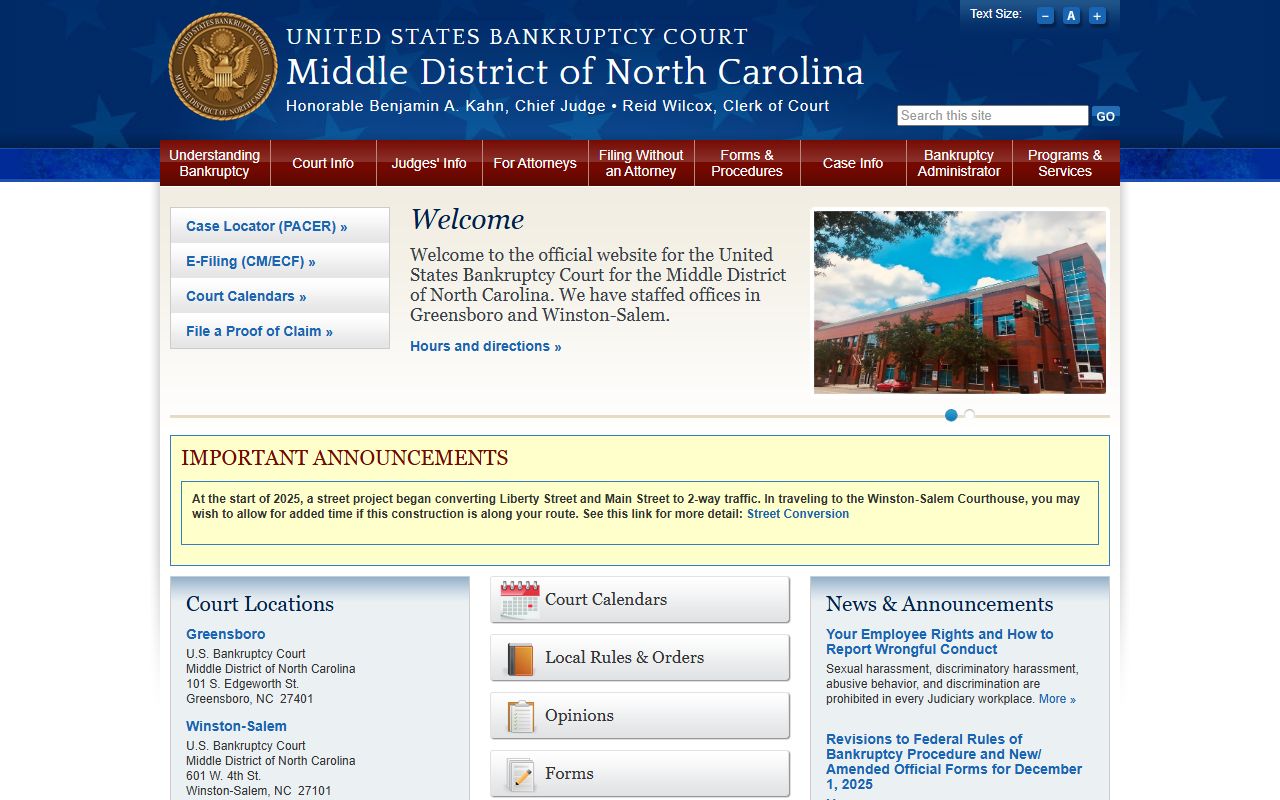
Bankruptcy filings can affect estate property questions, but they are not substitutes for the county estate file.
The PACER bankruptcy CM/ECF lookup for NCMBK is the federal lookup path for Middle District bankruptcy cases.
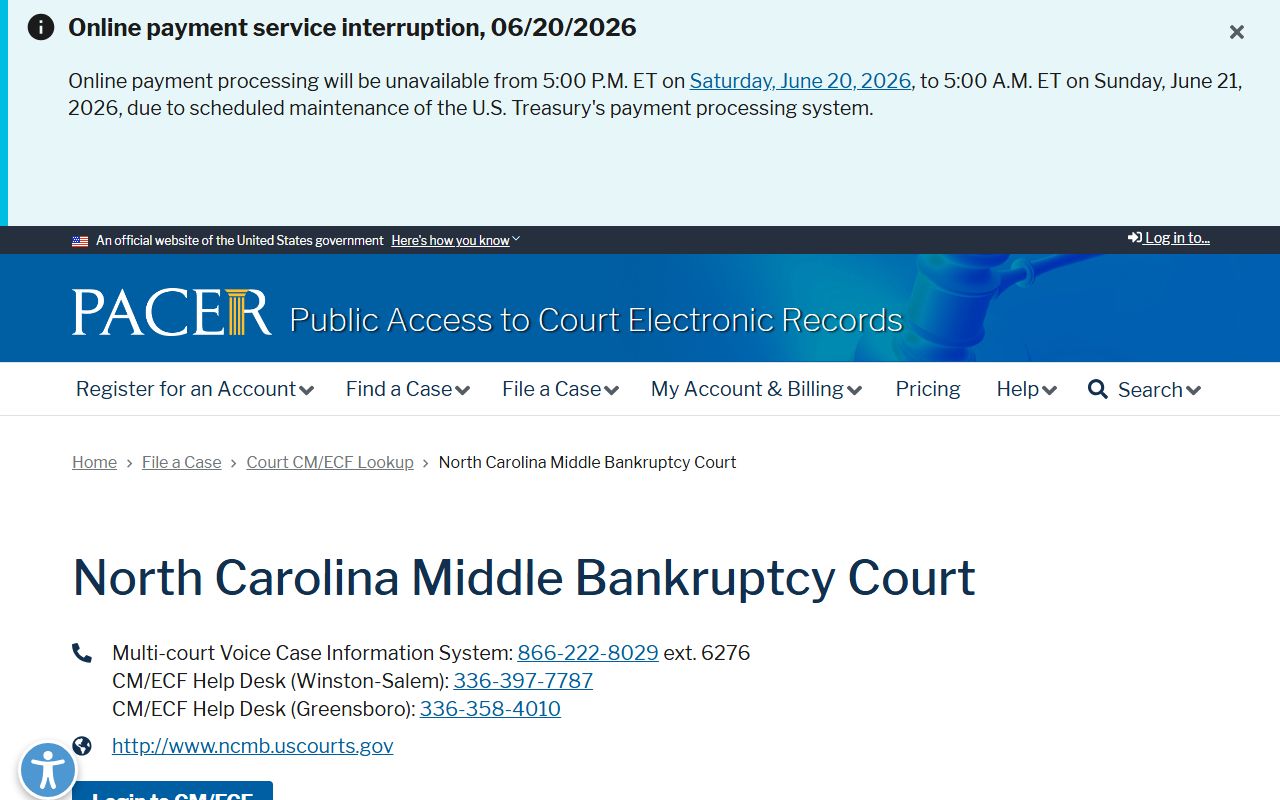
Use that federal lookup only when the research question involves a bankruptcy case, not a routine Yadkin estate administration.
The PACER CM/ECF lookup for NCMDC covers federal district court cases in the Middle District of North Carolina.
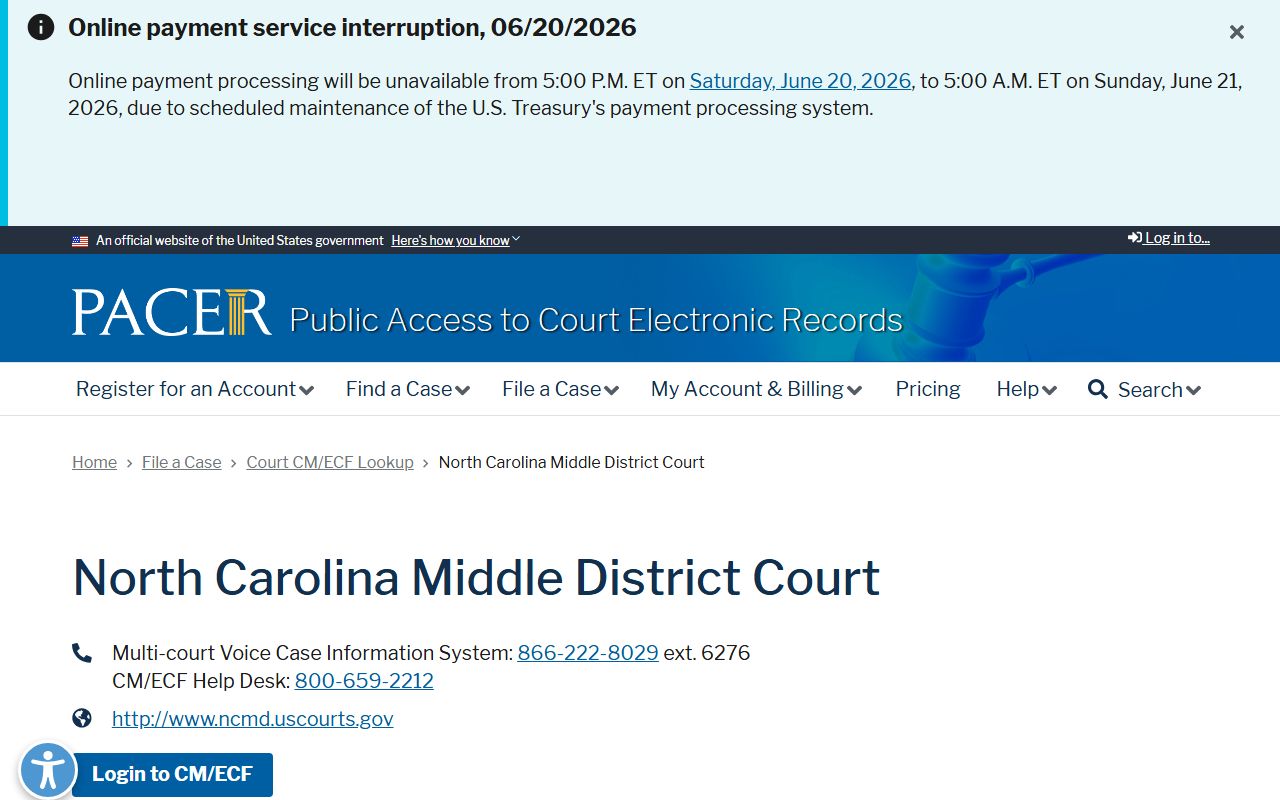
Federal district civil records may be relevant to a decedent or estate dispute, but Yadkin probate authority remains with the Clerk of Superior Court.
PACER is the broader federal case-access system and may require an account and fees.
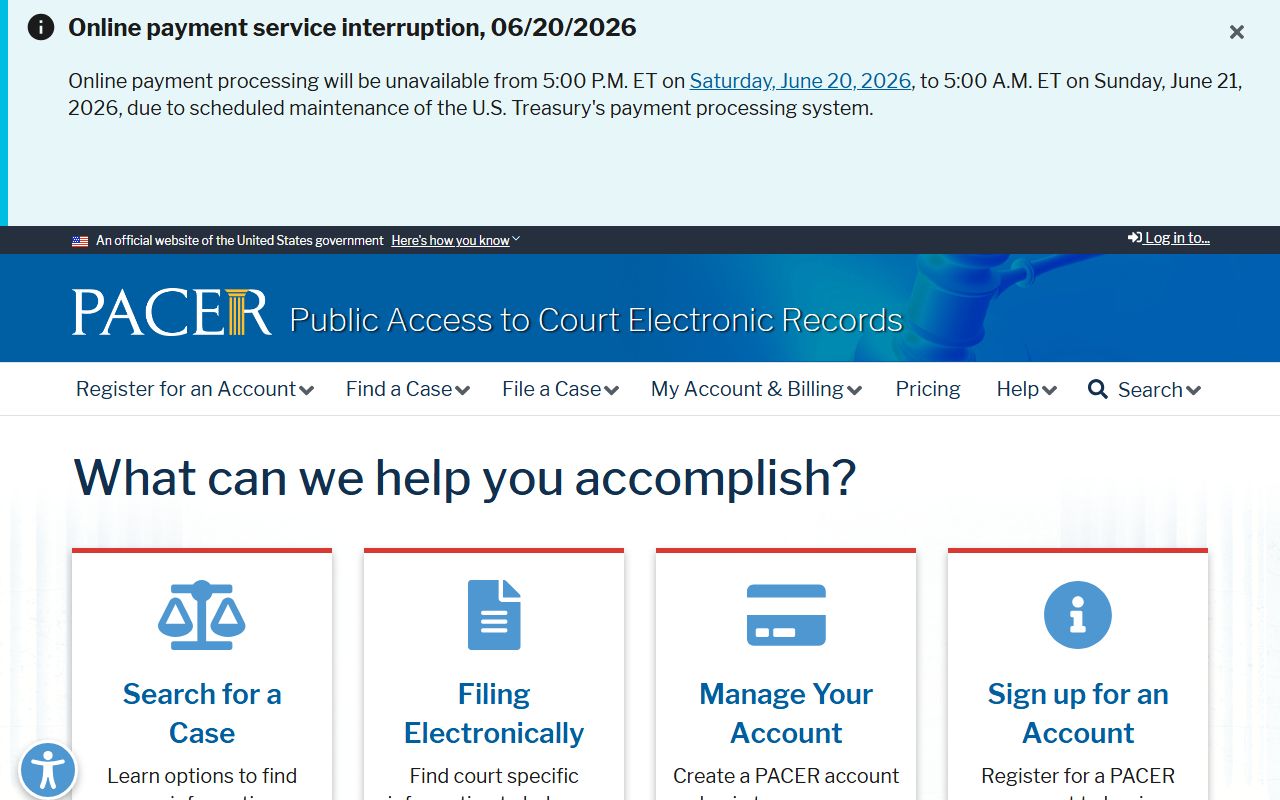
The federal images are included to distinguish county probate records from federal litigation records that sometimes involve estates, debts, or property.
Restricted Probate-Related Files
Filed wills after death are public, but not every probate-adjacent record is open. Guardianship, incompetency, minor, adoption, mental-health, sealed, and other restricted files may be withheld or limited by law or court order. Yadkin County Register of Deeds research also notes that birth certificates of adopted persons are not available at the local office and are only on file at the NC State Office of Vital Records. For estate records, Portal may show public summaries while detailed restricted documents remain unavailable to ordinary users.
Public Record Search
Sponsored Results